Eco-Friendly Adhesives Defined
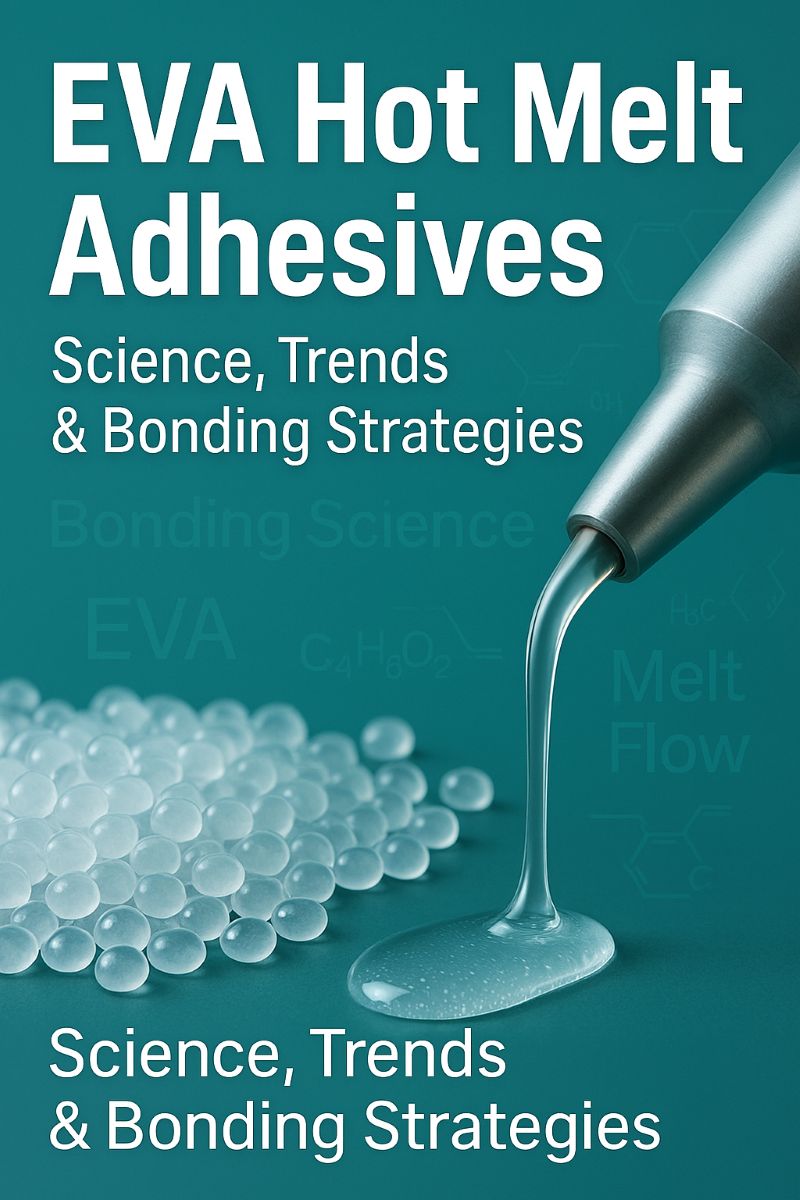
Types of Hot Melt Adhesives
Importance in Filter Manufacturing
Manufacturing Methods Overview
Latest Trends in Adhesive Tech
Eco-Friendly Strategies for Filters
Future of Sustainable Adhesives
FAQ
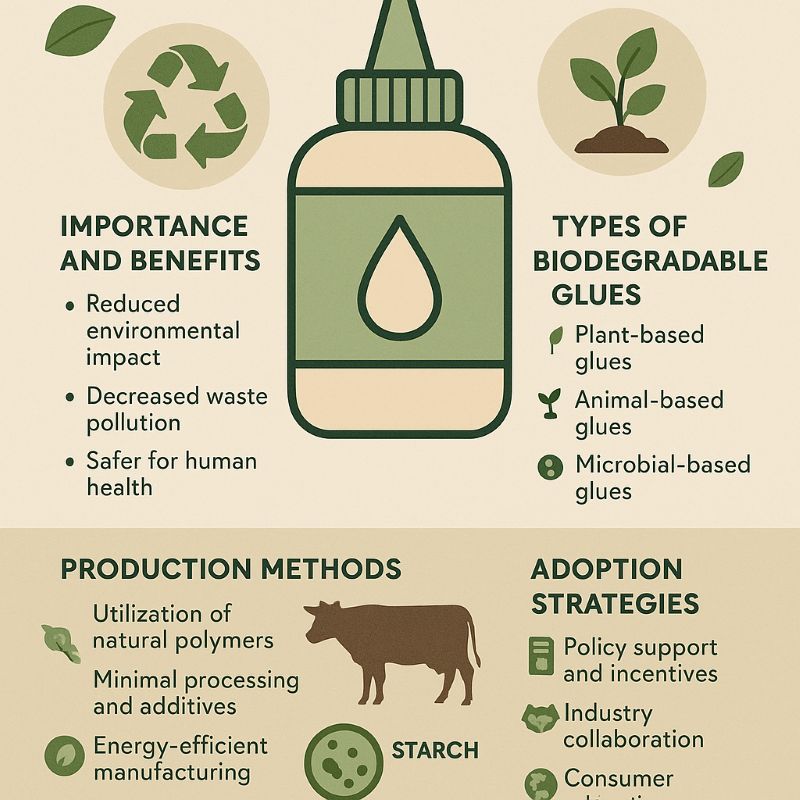
Eco-friendly adhesives refer to bonding materials designed to minimize environmental impact while maintaining strong mechanical performance. In filter manufacturing, these adhesives support sustainable production by offering low-VOC characteristics, reduced emissions, and in some cases, partially bio-based or biodegradable compositions. Modern eco-friendly hot melt adhesives are formulated to deliver durability, heat resistance, and stability under various operating conditions—ensuring filters remain both effective and environmentally conscious throughout their lifecycle.
Hot melt adhesives used in eco-friendly filter production fall into several categories based on their polymer structure:
Bio-based hot melt adhesives
Contain renewable components and reduce reliance on petroleum-derived materials.
Low-VOC hot melts
Designed to minimize the release of volatile organic compounds during production and use.
Recycling-compatible hot melts
Engineered to support easier material separation and improve recyclability of filter components.
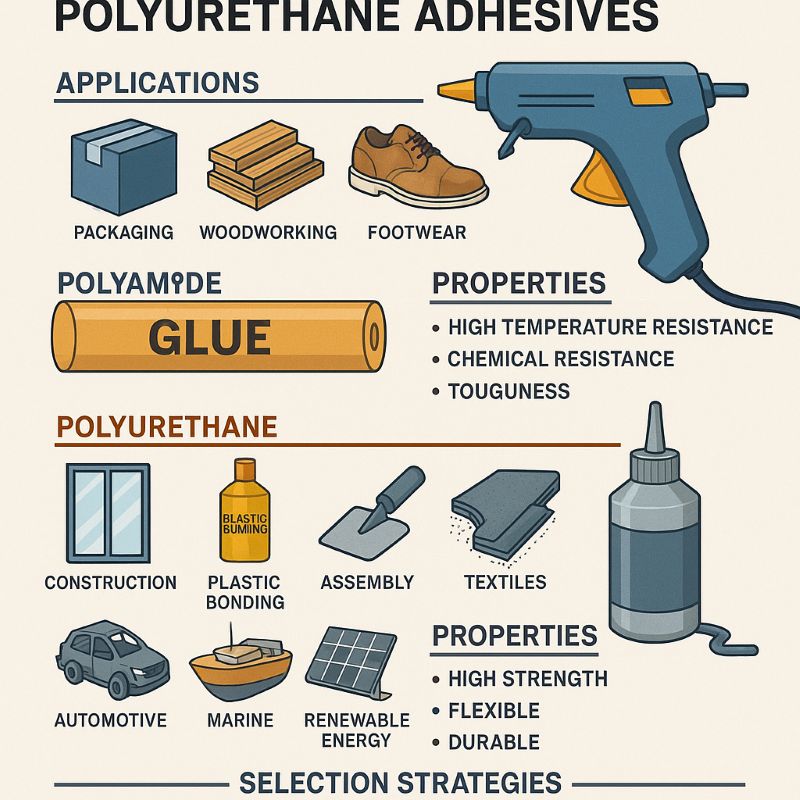
General-purpose polyamide or polyolefin hot melts
Used when stronger bonding, temperature resistance, or chemical stability is required.
Each adhesive type offers benefits tailored to different performance requirements such as high-temperature stability, rapid setting, flexibility, or environmental compatibility.
Eco-friendly hot melt adhesives play a critical role in modern filter manufacturing by:
Providing durable bonding for pleated filters, frames, and end caps
Supporting compliance with environmental regulations
Reducing emissions in production facilities
Improving worker safety during application
Contributing to the overall sustainability profile of the final filter product
These adhesives allow filter manufacturers to meet increasing regulatory demands and customer expectations for environmentally responsible products without compromising functional performance.
Applying eco-friendly hot melt adhesives in filter production typically involves the following methods:
Slot Die Coating
Offers high precision, foundation for uniform adhesive distribution, and minimal waste.
Roll Coating
Enables even coverage across large surfaces and improves material consistency.
Spray Application
Useful for complex geometries and non-flat surfaces, allowing flexibility in filter design.
Bead or Line Application
Common in high-speed pleating lines where fast setting and high bond strength are required.
Selecting the correct method depends on desired bond strength, substrate materials, production speed, and sustainability goals.
Recent advancements in adhesive technologies for filters include:
Bio-based hot melt formulations that reduce carbon footprint
Low-odor, low-emission adhesives designed for cleaner indoor manufacturing environments
Recyclable-friendly adhesives that support material separation
Enhanced thermal stability to meet the needs of high-performance filtration
More energy-efficient hot melts that require lower activation temperatures
These innovations help filter manufacturers balance durability, efficiency, and environmental responsibility.
To implement eco-friendly strategies in filter manufacturing:
Use low-VOC or bio-based adhesives for bonding frames, pleats, and end caps
Optimize adhesive usage to prevent waste and reduce material consumption
Select application methods that minimize overspray and maximize precision
Integrate adhesives that support recycling of both filter media and housing components
Evaluate full lifecycle impact, including raw materials, energy consumption, and disposal
These strategies help create high-performance filters while reducing the environmental footprint across the entire production chain.
The future of sustainable filter adhesives is moving toward:
Increased use of renewable, bio-based polymers
Development of fully compostable or biodegradable adhesive systems
Smarter adhesives compatible with automated manufacturing lines
Stronger focus on closed-loop recycling and material recovery
Higher performance at lower temperatures to reduce energy usage
As sustainability standards tighten globally, eco-friendly hot melt adhesives will continue to evolve, offering improved performance with reduced environmental impact.
What are eco-friendly adhesives?
They are adhesives formulated to minimize environmental impact through low emissions, bio-based ingredients, or enhanced recyclability.
What types of hot melt adhesives are used in eco-friendly filters?
Common types include bio-based hot melts, low-VOC formulations, recycling-compatible hot melts, and temperature-resistant polyamide or polyolefin-based adhesives.
Why are eco-friendly adhesives important in filter manufacturing?
They provide strong bonding while helping manufacturers meet environmental regulations and reduce their carbon footprint.
Which manufacturing methods are used?
Slot die coating, roll coating, spray application, and bead application are widely used depending on filter design and production speed.
What trends are shaping adhesive technology?
Trends include sustainability-driven formulations, improved thermal properties, reduced VOC emissions, and recycling-friendly designs.
How do eco-friendly strategies improve filter sustainability?
By reducing emissions, improving recyclability, optimizing adhesive usage, and lowering environmental impact over the filter’s lifecycle.
What is the future of sustainable adhesives?
Future adhesives will emphasize renewable materials, recyclability, automated compatibility, and lower energy requirements.