VOC Adhesives: An Overview
Non-VOC Adhesives Explained
Importance of VOC vs. Non-VOC
Types of VOC Adhesives
Types of Non-VOC Adhesives
Latest Trends in Adhesives
Choosing the Right Adhesive
Frequently Asked Questions (FAQ)
Volatile Organic Compounds (VOCs) are commonly found in traditional adhesives, often impacting indoor air quality and the environment. When evaluating VOC adhesives versus non-VOC options, it's important to consider application needs, health implications, and sustainability goals. Non-VOC adhesives are increasingly favored for their low emissions and safer use in eco-conscious environments. For industrial or heavy-duty applications, low-emission adhesives are also available to meet performance requirements while reducing environmental impact.
Non-VOC adhesives are gaining traction due to their reduced impact on indoor air quality and their alignment with environmental standards. These adhesives are formulated without volatile organic compounds, making them safer for both users and the environment. Ideal for projects where air quality is a concern, these products offer durable bonding performance while supporting sustainability. Whether for crafts, woodworking, or industrial use, non-VOC adhesives provide an effective and responsible solution.
Recognizing the importance of VOC versus non-VOC adhesives helps professionals and consumers make informed decisions. VOC adhesives may offer strong performance but emit chemicals that can affect health and contribute to pollution. In contrast, non-VOC adhesives are designed to meet bonding needs while minimizing emissions. Choosing non-VOC options helps maintain healthier indoor environments and supports broader ecological goals. For those prioritizing well-being and sustainability, non-VOC adhesives offer peace of mind without compromising quality.
VOC adhesives are known for their strong bonds and fast curing, making them suitable for various industrial and commercial tasks. These include construction-grade adhesives and multipurpose options that perform across a range of substrates. While effective, their use should be evaluated in the context of ventilation requirements and environmental compliance. Considering non-VOC alternatives may be advisable in enclosed or sensitive environments to reduce exposure risks.
Non-VOC adhesives come in various formulations suited for different applications:
Water-based adhesives, ideal for crafts, paper, and indoor general use.
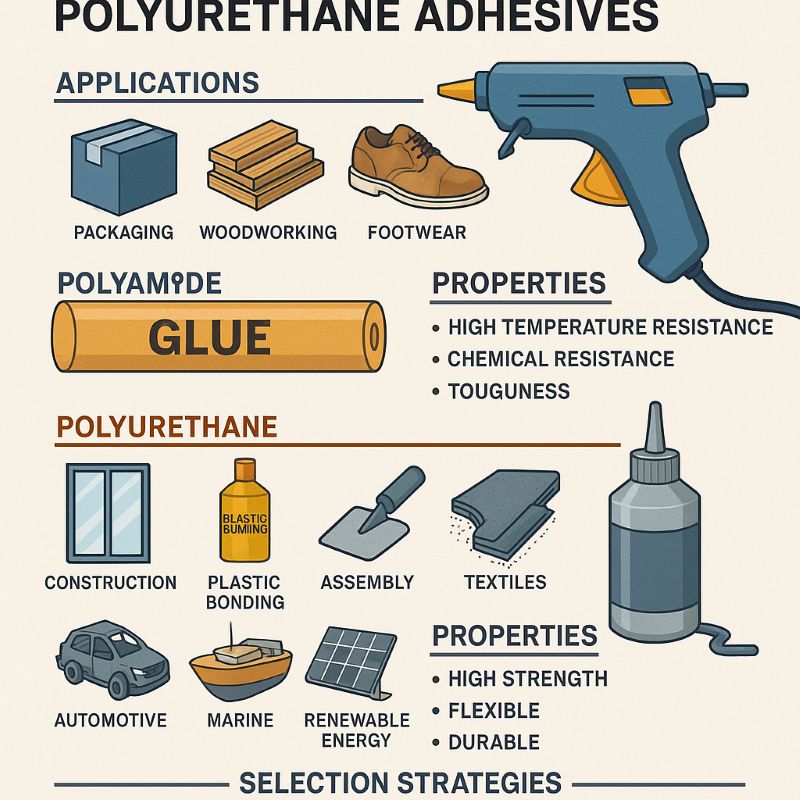
Polyurethane adhesives, offering strong flexibility and water resistance.
Silicone adhesives, valued for their durability and chemical resistance.
These adhesives are designed to reduce harmful emissions while delivering reliable performance, making them suitable for both household and industrial needs.
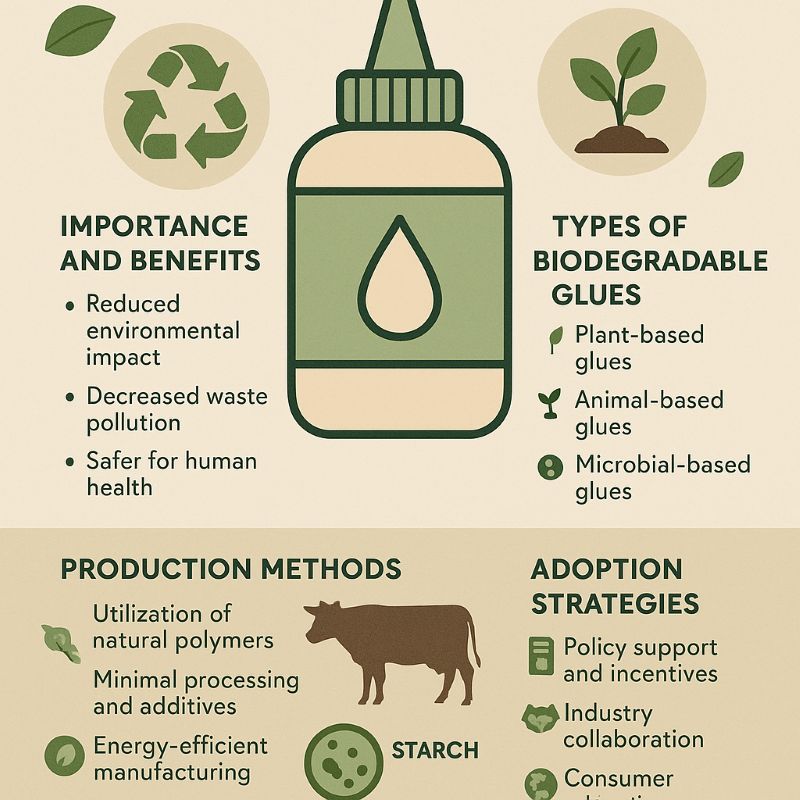
Recent trends in the adhesive market reflect a growing shift toward safety and sustainability. Non-VOC and low-VOC formulations are becoming the norm, driven by stricter regulations and consumer awareness. Manufacturers are developing plant-based, recyclable, and bio-renewable adhesive solutions that meet modern bonding standards while minimizing ecological impact. These innovations aim to strike a balance between performance and responsibility, setting a new benchmark for the industry.
To choose the right adhesive, begin by identifying whether your priority is performance speed, environmental safety, or application versatility. VOC adhesives are preferred for rapid setting and strong bonds but may require special handling due to emissions. On the other hand, non-VOC adhesives are excellent for projects where health, safety, and sustainability are key concerns. Evaluate the project’s context to determine the best fit—whether it's high-demand industrial work or safe indoor use.
Q1. What are VOC adhesives?
They are adhesives containing volatile organic compounds that can affect air quality and contribute to environmental pollution.
Q2. What are non-VOC adhesives?
Non-VOC adhesives are formulated without harmful emissions, making them safer for use indoors and more environmentally friendly.
Q3. Why are non-VOC adhesives important?
They help protect indoor air quality and reduce ecological impact, making them vital for sustainable and health-conscious applications.
Q4. What types of VOC adhesives are available?
Common types include construction and multipurpose adhesives designed for strong, fast bonding in various materials.
Q5. What types of non-VOC adhesives can I choose from?
Options include water-based, polyurethane, and silicone adhesives—all offering reduced emissions and dependable performance.
Q6. What are some examples of non-VOC adhesive applications?
Examples include woodworking, general repairs, crafts, and indoor installations that require clean air and minimal chemical exposure.
Q7. What are the latest trends in adhesives?
The shift toward non-toxic, bio-based, and sustainable adhesives is reshaping the industry, with increasing emphasis on health and environmental responsibility.
Q8. How do I choose the right adhesive for my project?
Assess your project’s needs, such as bond strength, curing time, and safety requirements. Choose based on whether VOC or non-VOC characteristics are better suited for your environment.